🧒 Online before they can read
By the time a child can read a warning, they have been tapping for two years. Dino Squad starts where the child actually is: pictures, voices, one clear rule.

10 episodes, 11 minutes each. Your child gets exactly one internet-safety rule per episode — the kind they can repeat back at dinner — and a free game on this site to practise it the same afternoon.
Your four-year-old already taps before they can read. “Don’t talk to strangers” means nothing in a game chat, and one serious conversation in the kitchen is forgotten by the weekend. Rules stick when a story carries them — and when the child gets to be right out loud afterwards.
By the time a child can read a warning, they have been tapping for two years. Dino Squad starts where the child actually is: pictures, voices, one clear rule.
Every episode ends with the same ritual — Walter says the rule out loud, once, in eleven words or fewer. Ten episodes means ten rules that arrive the way children keep things: as a story they liked.
The hero makes the mistake, so your child does not have to feel stupid for making it too. No scolding, no shame — and the grown-up is always the one who helps.
No monsters, no dark rooms, no threats, no shouting. The troublemakers are a lazy hacker who dissolves into pixels and a beetle who deflates when ignored. Bedtime-safe by design.
Short enough for a four-year-old’s attention span, long enough to tell a real story — a beginning, a mistake in the middle, and the rule at the end.
Photos, passwords, strangers online, mean messages, fake pictures, telling a grown-up — plus four more in the season finale.
One episode fits before dinner. Nothing to schedule, nothing to sit through twice unless they ask — and they usually ask.
Arcade games on this site, free, no account. The child plays the rule instead of being quizzed on it.
Charlie does the thing they will do — sends the photo, shares the password, taps the pop-up. The squad works out what went wrong, and nobody is told off.
Walter, the teacher, says it out loud at the end. One sentence. That is the whole lesson — and it is the sentence you can ask for at dinner.
The matching game on this site turns the rule into fingers: close the pop-up, sort the photo, stack the key, catch the kind bubbles. Free, and nothing your child types leaves the page.
Four heroes, three classmates, one very lazy hacker and a beetle who lives on angry replies — the cast is why a five-year-old asks for the next episode.

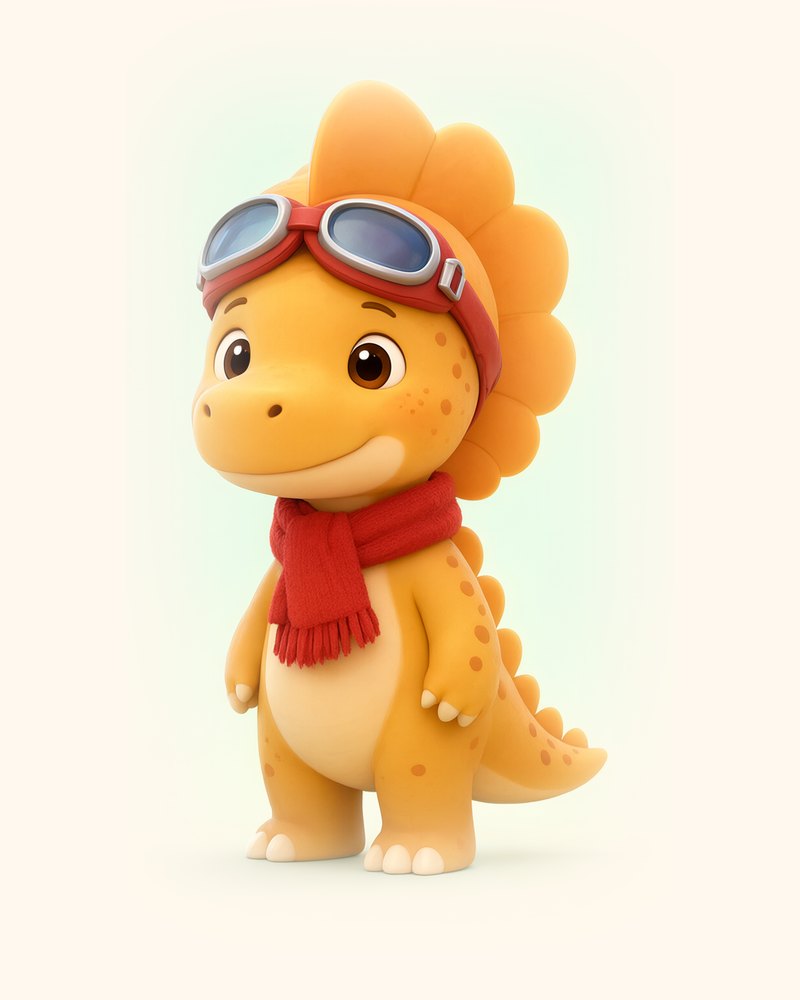
Impulsive optimist. Presses every button first, asks questions later — which is exactly why he finds the trouble.

Smart, brave and practical. The voice of reason who physically stands in front of the button Charlie is about to press.

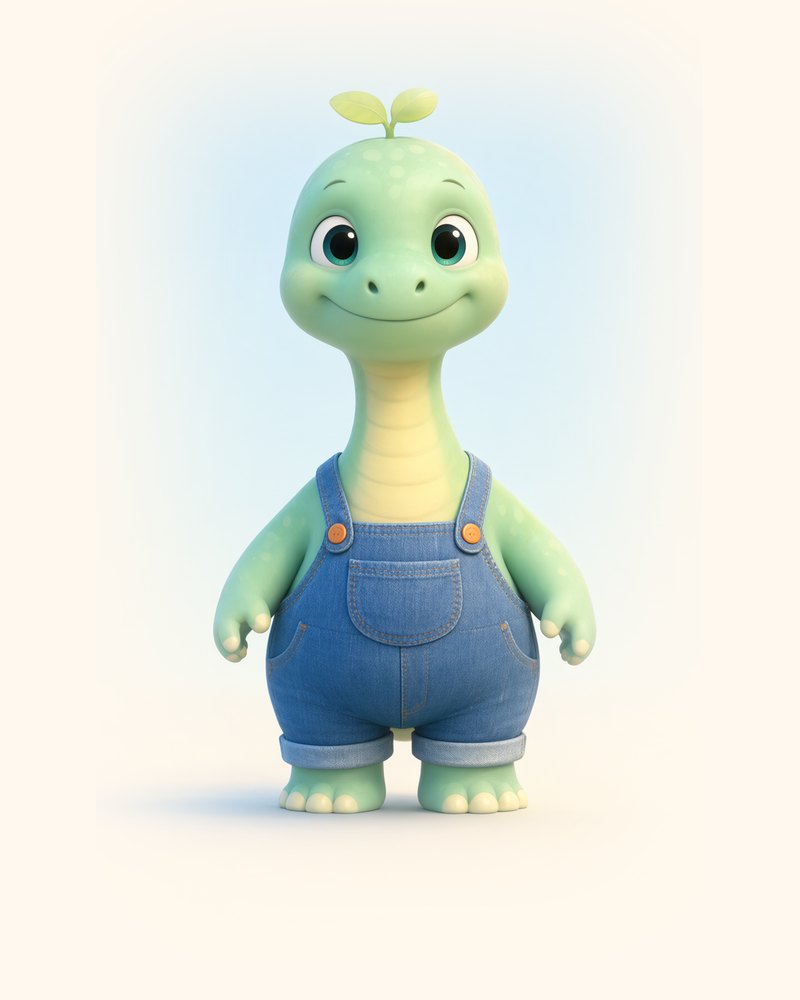
Kind, slow, food-loving. Asks the plain question everybody else is thinking — and accidentally saves the day.

Never scolds. Waits, explains, and then says the rule of the day out loud so it lands. Keeps glowing crystals in his back.

Loud, laughs easily, points at Charlie's disasters. Then helps him clean up.

Tech genius, fast talker, always on his tablet. The one who actually checks the profile.

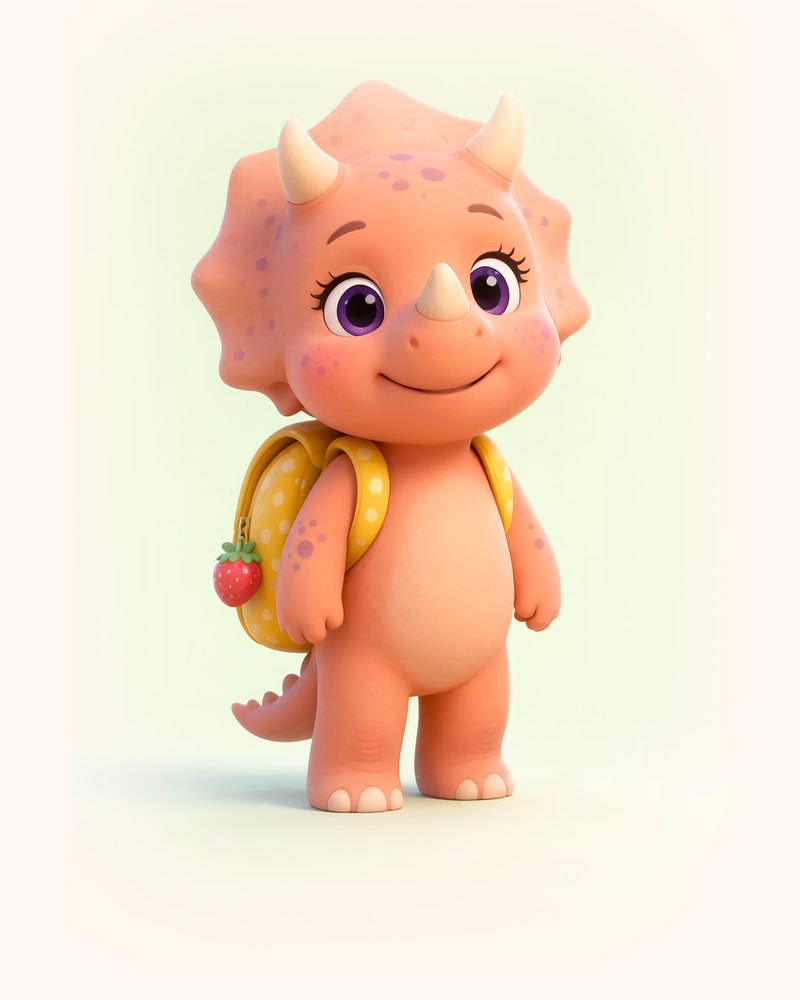
Gentle and caring. Her head crest drops when she is worried and lifts when she is happy — so you always know.

Lazy opportunistic hacker. Only shows up when a hero slips — and dissolves into pixels the moment the squad fixes it.

A cyberbullying metaphor with a shell. Every angry reply makes him fatter; being ignored deflates him to nothing.
Eleven-minute stories, one rule each. Here are the first six — the last four land with the season finale.

Charlie sends one silly photo. It splits into two, four, eight — and not one of those copies can be called back.
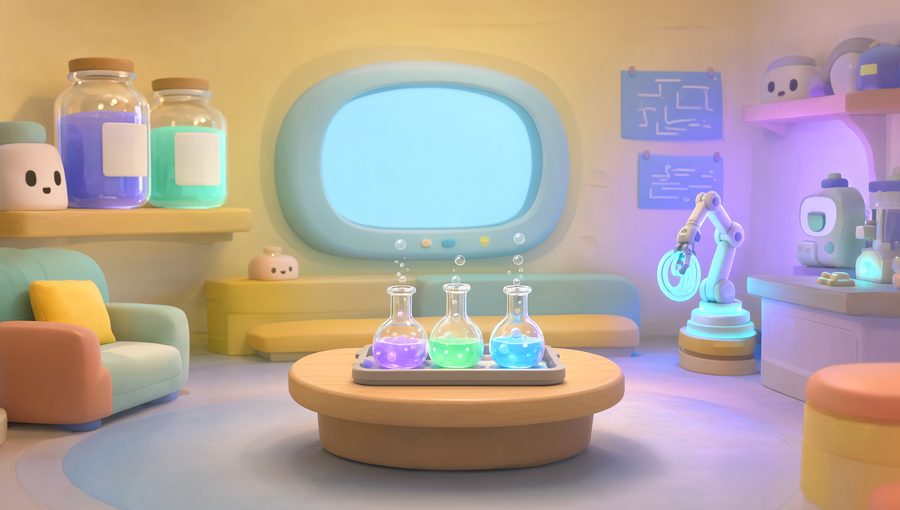
A key gets copied, borrowed and lost. The squad learns why some keys belong to exactly one person.
A friendly new friend in a game chat knows a lot about the squad. A little too much, actually.

Gus the beetle feeds on angry replies. The more the class argues back, the bigger he gets.
A photo of the squad makes the rounds looking wrong. Pictures can be changed — and made up.
Someone did something wrong and the squad is scared to say it out loud. Telling, it turns out, is the brave move.
Already written, still in the render queue:
The games are the free half of Dino Squad, and they stay free. Each one takes two minutes, teaches one rule, and sends nothing anywhere.
Fake pop-ups everywhere. Close them with the little ✕ — and never tap the shiny button.
45 seconds · Play → 📤 Digital footprintOne belt, ten things, no time to think. Send it or keep it — the belt keeps speeding up.
1 minute · Play → 🔑 PasswordsStack words, numbers and symbols into one tall key. Eight pieces and nobody can guess it.
2 minutes · Play → 💬 CyberbullyingCatch the kind bubbles. Never tap the grumble — every single tap makes him bigger.
2 minutes · Play →The full first season, played from the store you buy it on — no ads, no child account for your four-year-old, and nothing you have to remember to cancel.
10 episodes · 11 min each
Get Season 1You are taken to our store to complete the purchase.
This site stays free — the games are never locked behind it.
Five lines the whole class says together at the end of Season 1 — and a poster you can print for the fridge.
Four to seven. The stories and the games are built for a child who cannot read fluently yet; the ideas still land up to about nine.
No. No monsters, no dark scenes, no shouting, no threats. The “villains” are a lazy hacker who dissolves into pixels and a beetle who shrinks when ignored. That is a rule of the show, not an accident.
About eleven minutes — one episode fits before dinner, in a car, or in the last ten minutes before bed.
The season plays from the store you buy it on, so it works on the devices you already own. This site is the show's home: it explains the season, lists every rule, and hosts the free games.
Not for the episodes — they are narrated and told in pictures. In the games you may need to read the first card out loud once; after that the icons and the big buttons carry it.
Nothing. No accounts, no sign-up, no analytics on the games, no advertising. Everything the games see stays in the browser, and the password your child builds is never sent anywhere.
Yes — one season covers ten short lessons, one per rule. Write to us from the store page for a group licence.